Kateryna Deldekina describes herself as a travel addict and story collector, with a firm belief that the most interesting place you can explore is often the city right outside your door. She’s put that philosophy to work in Kraków , a city that has been collecting stories for over a thousand years and shows absolutely no sign of stopping.
The tour starts at St. Florian’s Gate and the Barbican, the medieval fortifications that once guarded the northern entrance to the city. The Barbican alone has 120 embrasures and 7 turrets built in 1498, it was one of the most formidable defensive structures in Central Europe. The story goes that during a Russian siege in 1768, a local defender ran out of ammunition and fired a brass button from his coat instead, supposedly killing the enemy general outright. Krakow has always had good stories. From here, Floriańska Street pulls you straight into the Old Town, past souvenir shops and cafe terraces, towards the Main Market Square, one of the largest medieval squares in Europe and still the absolute heart of the city.
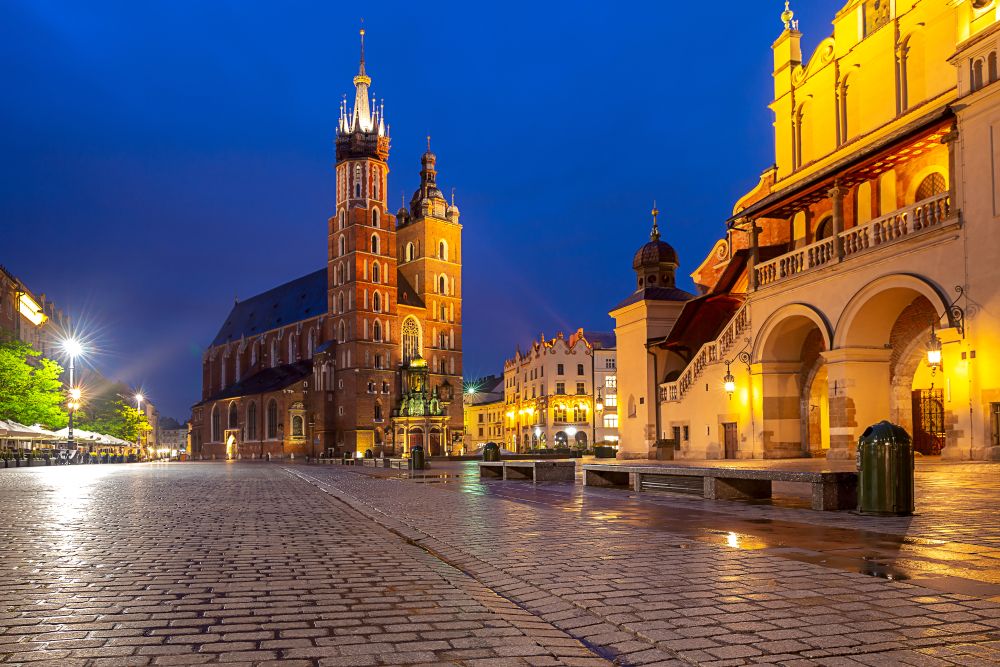
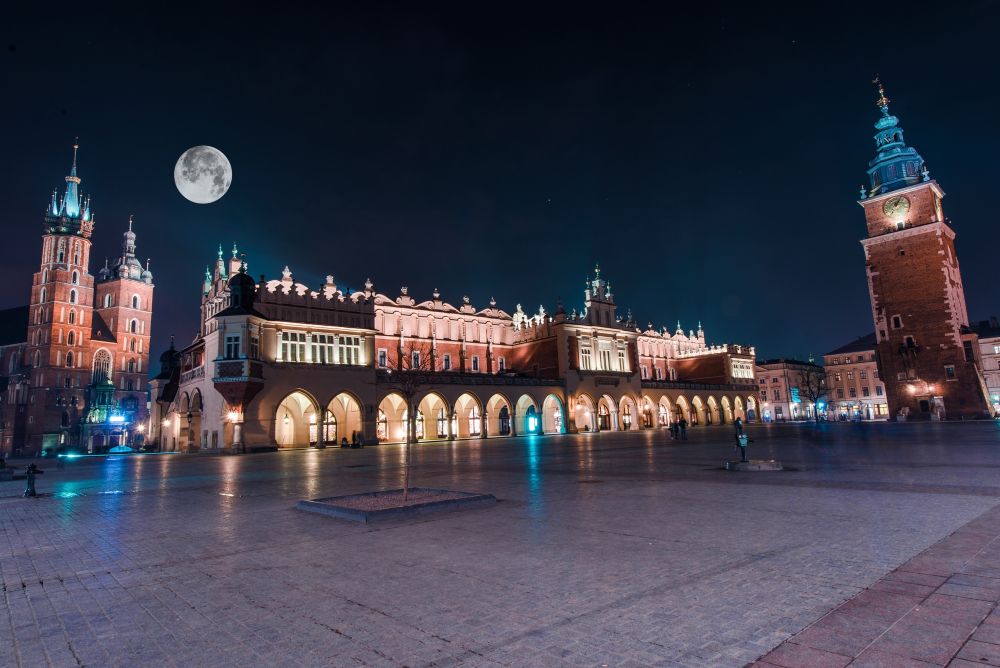
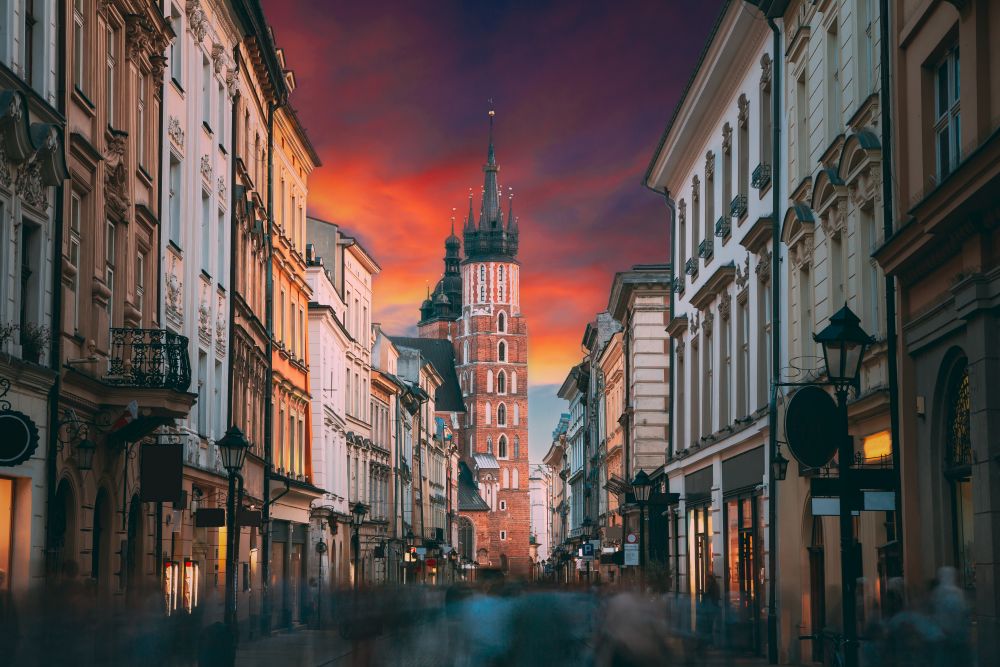
In the middle of it all stands the Cloth Hall, once the centre of Krakow’s trading empire, where merchants sold spices, amber, silk and salt. Look up at the central archway as you pass through , a knife hangs there, and the legend behind it involves two brothers, the unequal towers of St. Mary’s Basilica across the square, and a rather dramatic ending. The Basilica itself is unmissable: Gothic, towering, and every hour a trumpeter plays the Hejnał from the taller tower — a tradition that goes back to medieval times, when the signal warned the city of approaching danger.
Heidelberg’s most iconic view
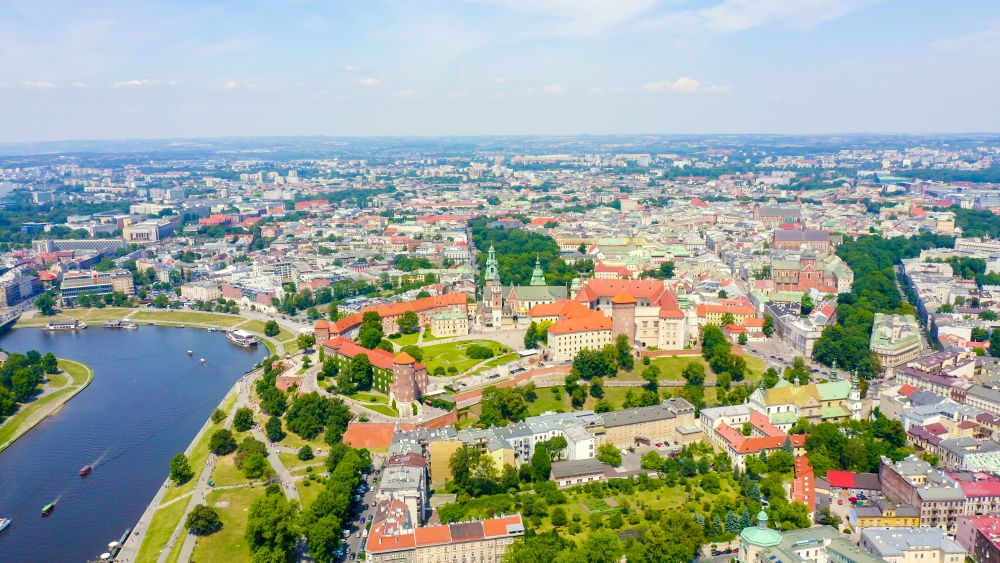
From the square, the route leads down to Wawel Hill, where the Royal Castle and Cathedral rise above the Vistula River. Below the hill, the Dragon’s Den is a real limestone cave where the legendary Wawel Dragon is said to have lived — and at the cave’s entrance, a fire-breathing dragon statue still guards the riverbank.
Kazimierz is where the tour finds a different tempo entirely. The former Jewish quarter is one of the most layered neighbourhoods in Poland — the Old Synagogue dates to the 14th century, Corpus Christi Basilica is Gothic and quietly magnificent, and Ulica Józefa is the street that shows you how contemporary Kazimierz has become, full of independent galleries, design shops and cafes.
Plac Nowy is the square to stop for a zapiekanka — a long toasted baguette with cheese and toppings, sold from the round kiosk in the middle of the square. It’s the local street food, and the queue is always worth it. The tour ends at Błonia Park, a vast open meadow where Kraków comes to breathe — no monuments, no architecture, just grass and sky and the city at a distance.
Kraków was featured on Tourizzy by Kateryna Deldekina, a local guide and story collector based in Kraków. Download Tourizzy today and find out more about this beatiful polish city.