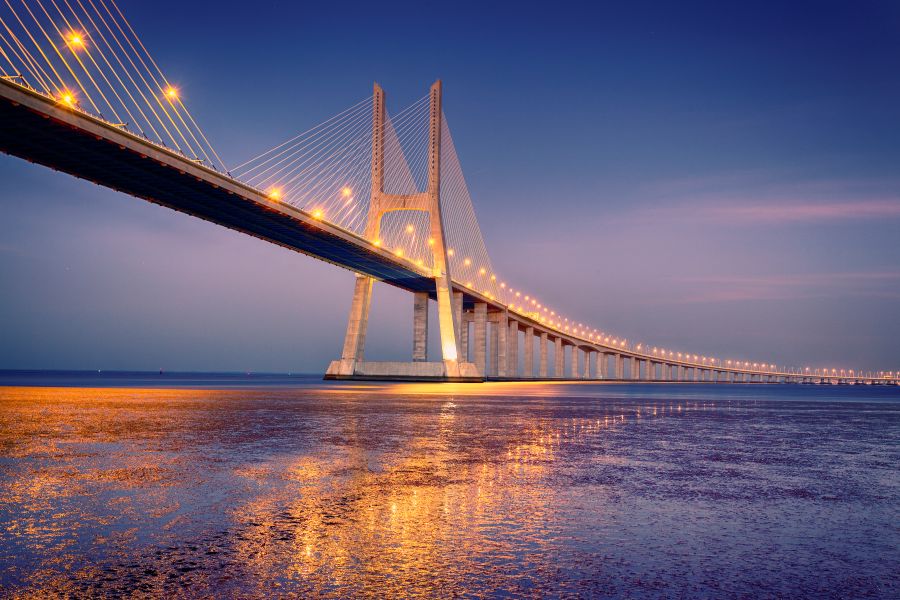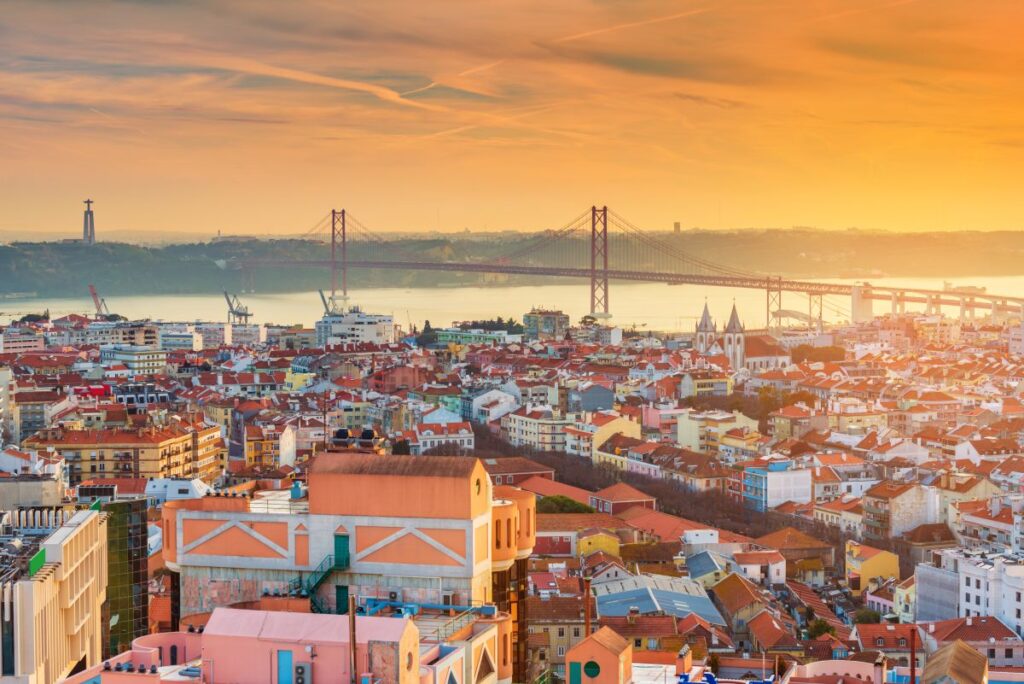
Lisbon has a habit of surprising people. You think you understand it - the trams, the tiles, the fado drifting out of open doorways - and then it turns a corner and shows you something completely different: a modernist park, a converted industrial complex, a waterfront district that looks like it was built last week. Rasmus put together a tour that moves right across the city, from the western Atlantic edge all the way to the futuristic east, and the range of it tells you more about Lisbon than any single neighbourhood ever could.
It starts in Belém, which is where Portugal’s relationship with the wider world began. This quiet riverside district on the western edge of the city was the departure point for the great Age of Discovery voyages - Vasco da Gama left from here in 1497 to sail around Africa to India, and the monuments built to commemorate that era still define the area. The Jerónimos Monastery is one of the finest examples of Manueline architecture in the world, a Gothic style layered with maritime motifs that looks like the sea itself has been carved into stone. The Torre de Belém stands at the river’s edge like a sentinel, and the Monument to the Discoveries points its carved stone navigators permanently westward. Belém also has the original pastéis de Belém - the custard tarts that the world has been trying and failing to replicate since the recipe was first made by monks in 1837.
LX Factory is the next stop and a complete change of register. A 19th-century industrial complex in the Alcântara district that was abandoned when the factories closed and then slowly colonised by artists, designers, restaurants and independent shops, it now functions as one of the most creative spaces in the city. Street art covers the old brick walls, the Sunday market draws half of Lisbon, and the mixture of exposed iron, original machinery and contemporary design gives the whole place a texture that newer creative districts can’t manufacture. It feels earned rather than planned, which is the best kind. Campo de Ourique sits inland, higher up the hill, and is one of those neighbourhoods that locals love precisely because tourists rarely make it there. It has the feel of a village that got absorbed into a city without changing very much - a covered market, good restaurants, families on the streets in the evening, a pace that the centre of Lisbon has largely lost. The Mercado de Campo de Ourique is the food market worth knowing about: artisan producers, fresh fish, pastries, wine, the kind of place you go for lunch and leave two hours later. Oriente is on the other end of the city entirely, both geographically and architecturally. Built for Expo ’98 on a former industrial wasteland on the eastern riverfront, the Parque das Nações district is Lisbon’s most deliberately modern neighbourhood - Santiago Calatrava’s Oriente station is one of the most beautiful train stations in Europe, all white steel arches and light, and the waterfront promenade beside the Tagus stretches out with the feeling of a city that has made peace with the 21st century.
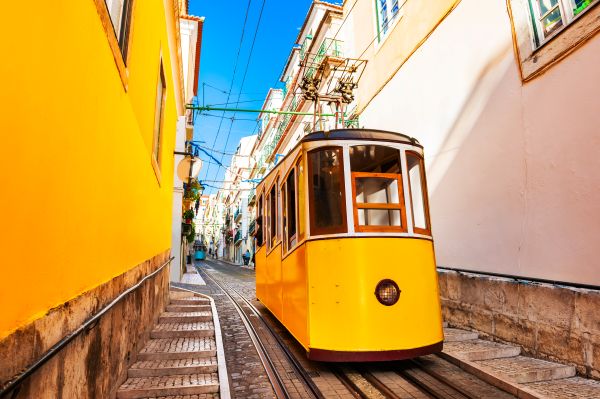
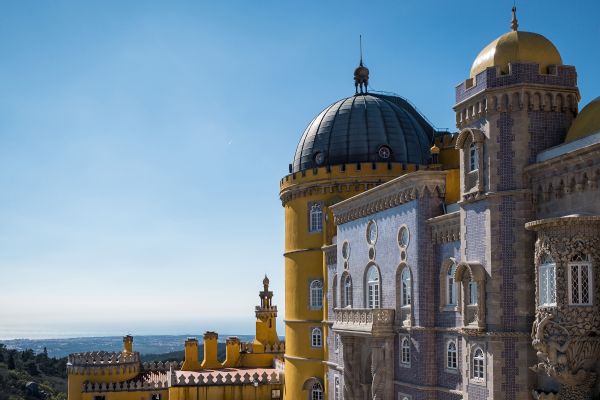
City of colours, diversity and elegance
Arroios is one of Lisbon’s most multicultural neighbourhoods, a place where the city’s diversity is most visibly and honestly on display - South Asian restaurants, African grocers, old tascas and new coffee shops all on the same block. Saldanha is the commercial node that holds the northern part of the city together, a broad square flanked by office buildings and the kind of Lisbon that locals actually inhabit on a working day. Parque Eduardo VII is the formal green space running up from the Avenida da Liberdade, Lisbon’s grand Parisian- style boulevard, with its double row of mosaic pavements and the procession of plane trees that makes it one of the most elegant streets in the city.
Rossio is the square at the heart of old Lisbon - officially Praça Dom Pedro IV, but no one calls it that - surrounded by wave-patterned pavements, the national theatre, cafés that have been serving espresso since the 19th century, and a fountain that the city has been gathering around since medieval times. Praça do Comércio opens up to the river at the bottom of the old town, the grand triumphal arch at one end and the Tagus stretching wide at the other, and on a clear afternoon it’s one of the finest urban spaces in Europe.
The tour ends in Alfama, which is where Lisbon keeps its oldest self. The neighbourhood climbs the hill below the castle in a maze of lanes and staircases that the Moors laid out over a thousand years ago and that no subsequent earthquake or rebuilding programme has entirely managed to rationalise. The views from the miradouros - the terraces scattered across the hillside - take in the whole estuary. And somewhere in the narrow streets below, in a restaurant with no menu in English and no sign outside worth noticing, someone is singing fado. That’s the sound Lisbon makes when it stops performing and just is. Lisbon was featured on Tourizzy by Rasmus, a local from Lisbon.