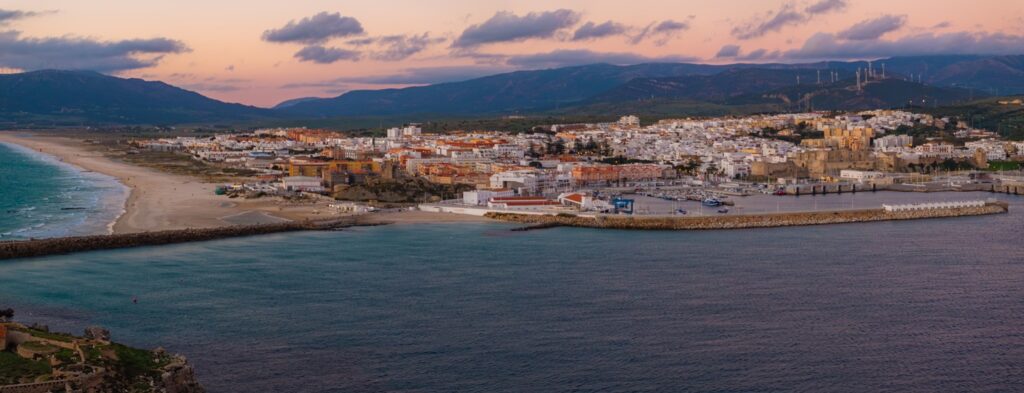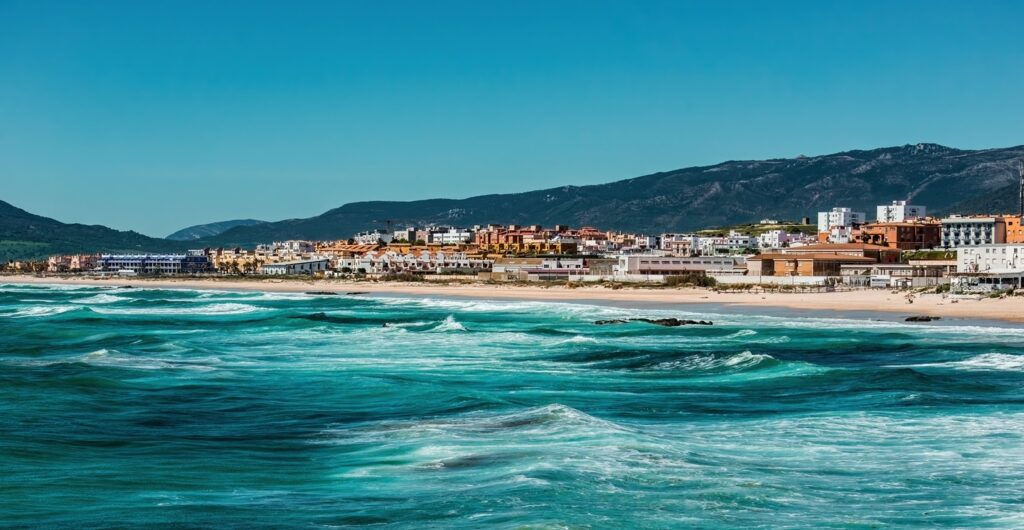
At the very southern tip of Spain, where the Mediterranean and the Atlantic collide and Africa is close enough to feel real, sits Tarifa. It’s shaped by wind, light and water in a way that makes it unlike anywhere else on the continent - part ancient Andalusian town, part surf and kite capital, part boho escape with whitewashed streets and flower-covered balconies. Nicole has been travelling the world for ten years and counting, and Tarifa is still one of her favourites. That should tell you something.
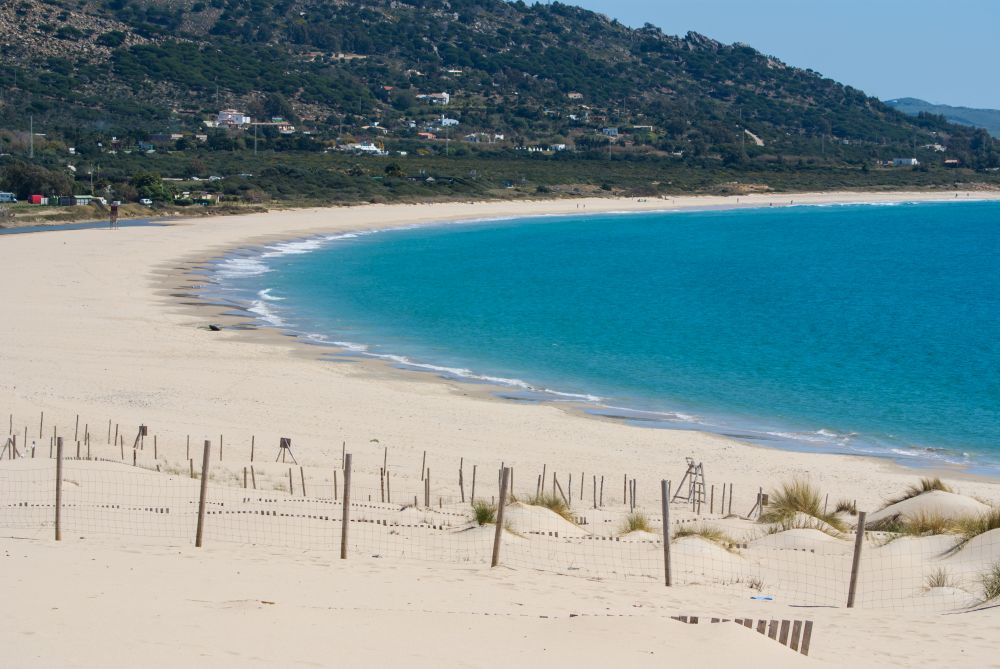
The tour starts at Café del Mar Beach, right on the sand with sea views and a relaxed beach-club vibe - good for a coffee or smoothie before the walk begins. From there, it’s about a kilometre along Playa de Los Lances, one of the longest and most wind-swept beaches on the coast, to Waikiki chiringuito, a classic Spanish beach bar built right on the sand. Shoes off, cold drink in hand, proper introduction to Tarifa done.
Just behind the beach, a colourful street-art corner on Calle Grupo Cardenal Cisneros hides angel wing murals and rainbow-painted stairs - a small, fun photo stop that captures the free-spirited side of the town. From there, Puerta de Jerez pulls you into the historic centre. It’s the only surviving medieval gate of Tarifa’s old town, and walking through its stone archway is one of those moments where the centuries collapse a little.
The first wide views over the sea
Inside the old town, Pastelería La Tarifeña is the essential sugar stop - a traditional pastry shop with homemade Andalusian sweets and donuts that are genuinely hard to walk past. Calle Ntra. Sra. de la Luz is one of the prettiest streets in the centre, all white walls and flowered balconies, with boho boutiques scattered between the traditional houses. The 16th-century Church of San Mateo stands quietly nearby, Baroque façade and all. Café Central down the street is where Nicole recommends sitting down properly - sunlight, flowers, occasional street musicians and a tuna sandwich that people come back for.
As the route continues, the city naturally slows down. A stop at Martonela Ice cream shop adds a small moment of pleasure - a cold treat on a warm day, something simple that fits into the rhythm of moving through the city rather than breaking it.
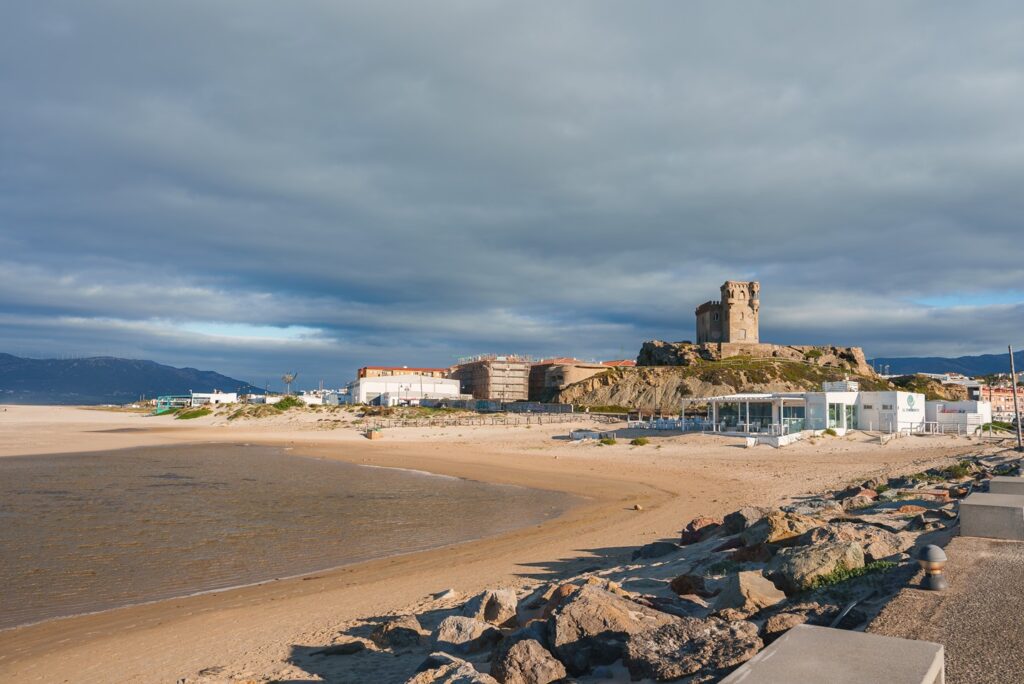
The Castillo de Guzmán el Bueno, a fortress built in 960 to guard the Strait of Gibraltar, gives you the first wide views over the sea - and on a clear day, the coastline of Morocco. The port below is where ferries cross to Tangier in just over 35 minutes, and standing there watching the ships you feel the full weight of what this place is: the hinge between Europe and Africa, between two seas, between two worlds. Castillo de Santa Catalina perches above the coast a little further on, built in the 1930s as a lookout, with the wind picking up and the views opening wide.
The tour ends at the narrow walkway where the Mediterranean and the Atlantic actually meet - different in colour, movement and energy, visibly, tangibly different side by side. It’s one of the most quietly extraordinary places in Europe. And then, if you’re paying attention, there’s one final detail: the southernmost geocache on the European mainland, hidden somewhere along this stretch of coastline. Sign the log. Put it back exactly where you found it. Tarifa was featured on Tourizzy by Nicole, a traveller from Germany.