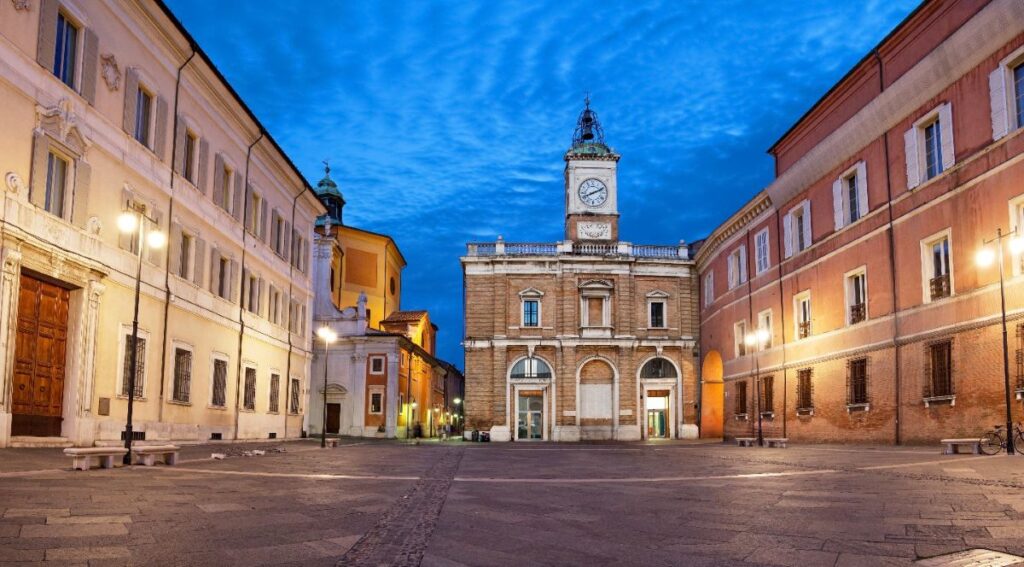
Most people planning an Italian trip put Venice, Florence, Rome on the list and leave Ravenna off it entirely. This is a mistake they tend to regret when they eventually get there. Ravenna is an hour by train from Bologna, small enough to walk across in an afternoon, and home to eight UNESCO World Heritage Sites - the finest collection of Byzantine mosaics in the world, concentrated in a compact historic centre that has barely changed in 1,500 years. Sofia, who grew up with this city and studies there, wants to show it to you the way a local sees it: the mosaics, yes, but also the stories behind them, the hidden corners, and the parts of town that most tourists never find.
The city centre is the right place to get your bearings - narrow streets, Renaissance palaces, the quiet atmosphere of a small Italian city that happens to contain extraordinary things. The San Vitale District, just a few minutes’ walk from the centre, is where Ravenna reveals itself most dramatically. The streets here change character as you approach the basilica, older stone, a different kind of quiet, the sense of something ancient pressing close.
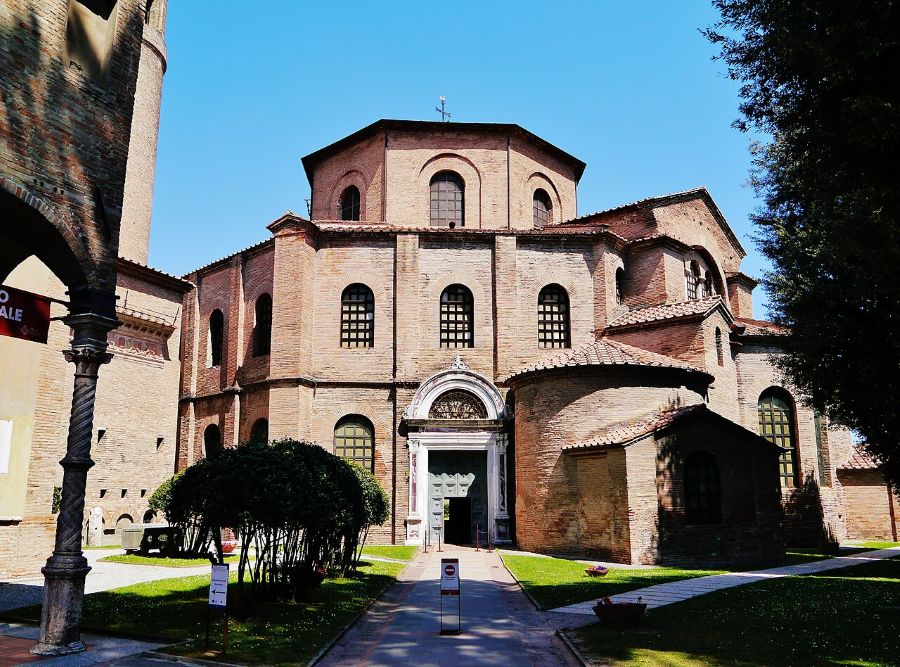
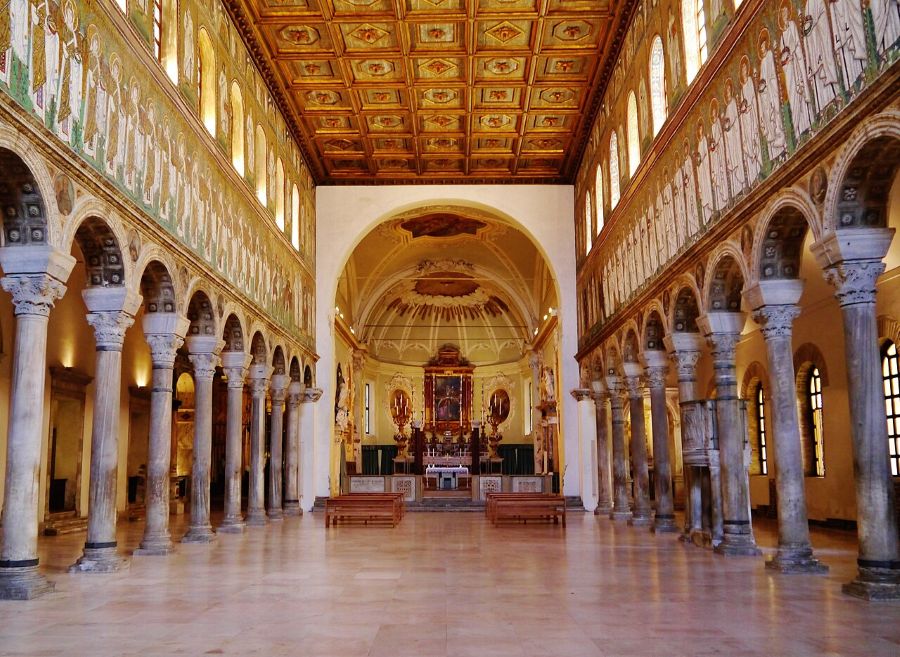
The Basilica di San Vitale is the centrepiece and it earns the description. Built in the 6th century under the Byzantine Emperor Justinian, its interior is covered in mosaics of a quality and completeness that have not been replicated anywhere. The vaulted ceiling catches the light differently at every hour of the day, and the full-wall panels of Justinian and his empress Theodora - their attendants lined up in procession, every face individual, every jewel rendered in gold and coloured glass - are among the greatest works of art produced in the early medieval period. Next door, the Mausoleum of Galla Placidia is tiny by comparison but even more overwhelming: a 5th-century tomb with a ceiling of deep blue mosaic studded with golden stars, the light filtering through alabaster windows in a way that makes the whole interior glow. Legend has it that Cole Porter composed Night and Day after being inspired by this ceiling. Whether or not it’s true, you understand the impulse immediately.
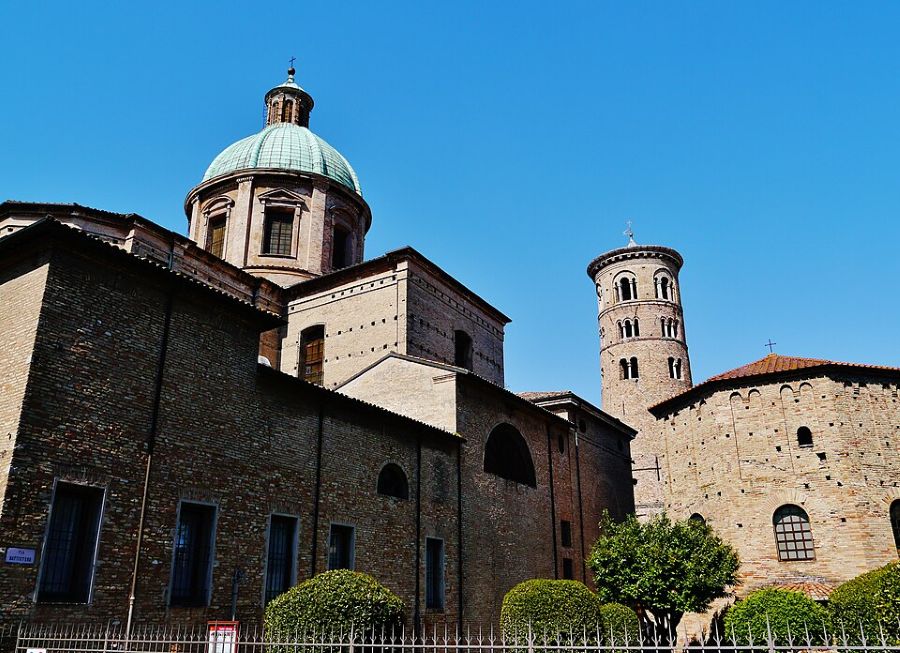
Dante’s last stop
Santa Maria Maggiore is one of the stops Sofia includes that most guides skip - an early Christian church with mosaics that are less showy than San Vitale but reward closer looking, with geometric patterns and religious symbols that tell you as much about this period as the grander buildings nearby. The Chiesa di San Domenico stands beside the Mercato Coperto, the covered market where Ravenna shops for fresh produce, local piadina and cappelletti. It’s the kind of market that hasn’t been designed for tourists, which is precisely why it’s worth going to.
The Zone of Silence is one of the most unusual places in any Italian city. This is the area around Dante’s Tomb - the final resting place of the poet who wrote the Divine Comedy, who was exiled from his native Florence in 1302 and spent the last years of his life in Ravenna, completing Paradiso here before dying in 1321. The Zona del Silenzio encompasses the tomb, the Franciscan cloisters, the Quadrarco di Braccioforte and the garden around it, and the whole area carries the particular atmosphere of somewhere that has been treated with reverence for seven centuries. Dante’s body was hidden in 1944 to protect it from wartime destruction - a plaque marks where he was temporarily reburied — and Florence has been periodically requesting his return since the 15th century. Ravenna has consistently refused.
Piazza del Popolo is the main square, flanked by two Venetian columns topped with statues - a reminder that Ravenna spent time under Venetian control - and the kind of place where locals sit with coffee in the morning and aperitivo in the evening. The Esarcato Square is named for the Exarchate of Ravenna, the Byzantine administrative territory that governed much of Italy from this city for two centuries, and the name alone tells you something about how improbable Ravenna’s history is. Porta Nuova is the 16th-century gate at the southern edge of the historic centre, the old boundary of the city, a good marker for understanding how compact and intact this place really is.
Ravenna doesn’t need you to have read Dante or know anything about Byzantine art before you arrive. The mosaics explain themselves. The city does the rest. Ravenna was featured on Tourizzy by Sofia, a local student from Ravenna.