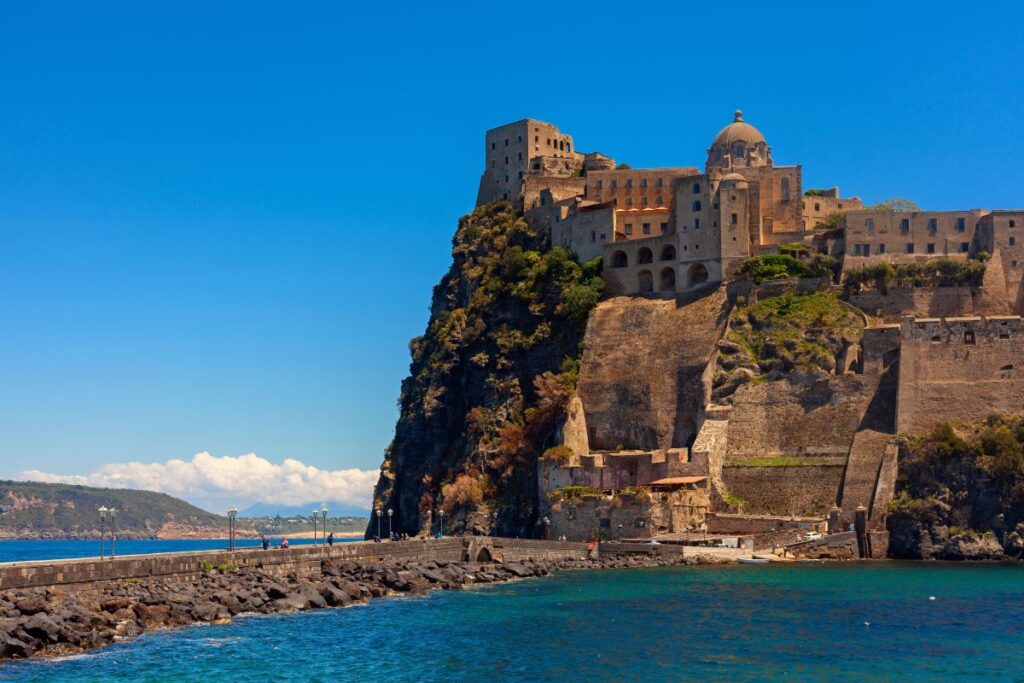
In the Bay of Naples, Capri gets all the attention. The boats from Naples dock there, the tourists pour in, the prices reflect the demand. Ischia, the larger volcanic island just a few kilometres to the west, gets something better: the locals. It’s the island where Neapolitans actually go on holiday, where the thermal springs have been drawing people since the ancient Greeks first settled here in the 8th century BC, and where a small fishing village on the southern tip called Sant’Angelo quietly gets on with being one of the most beautiful places in the Mediterranean. Sabrina has been living here long enough to know the difference between what the island shows you and what it actually is. This tour is the second version.
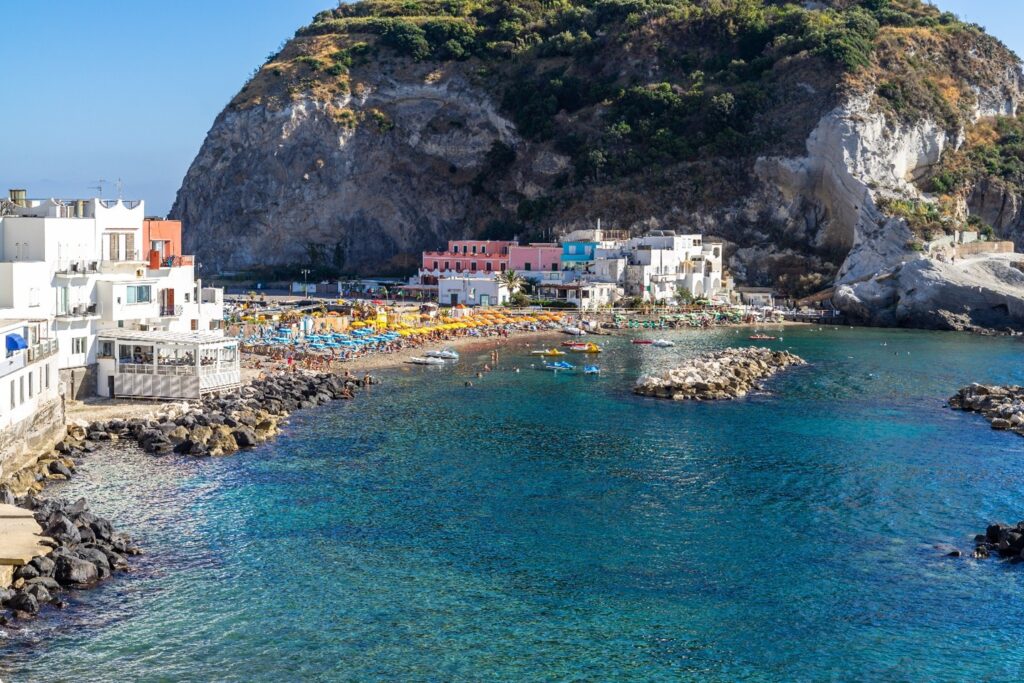
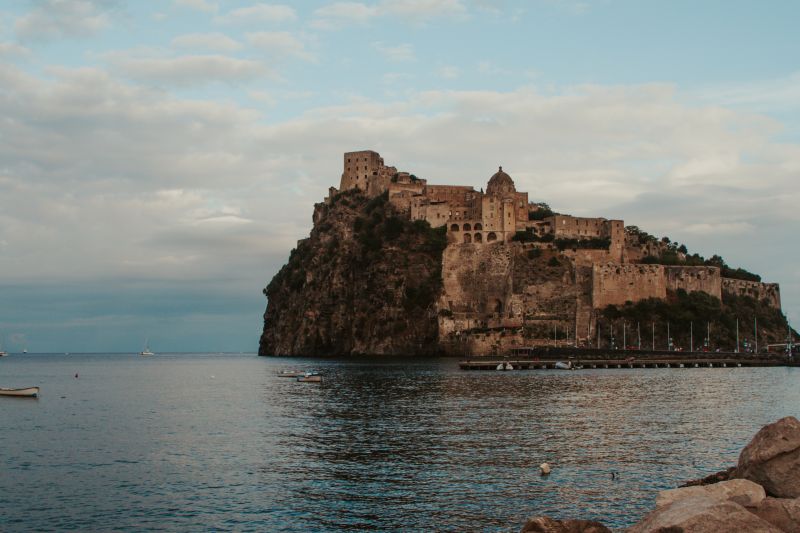
Sant’Angelo is not a place you drive into. The road ends at a parking area at the top of the hill, and from there you walk down - which is the first thing the village does to adjust your pace. By the time you reach the bottom, something has already shifted. There are no cars, no motorbikes, no engine noise of any kind. Just narrow cobbled lanes, whitewashed houses draped in bougainvillea, the sound of the sea arriving from two directions at once, and a small rocky islet connected to the village by a thin strip of sand that looks, from above, like the island is holding hands with something just offshore. That islet - the Torre di Sant’Angelo - once had a watchtower at its summit that watched for threats from the sea. Today it watches over a very peaceful afternoon.
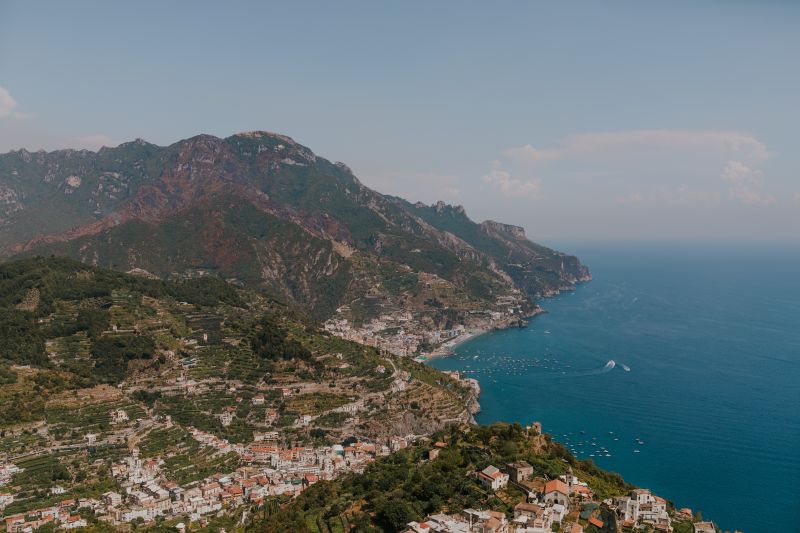
The tour begins on the Ancient Road, one of the oldest paths into the village, descending through terraced gardens and the kind of quiet that a place earns over centuries. It sets the tone immediately: this is not a tour of monuments and opening hours but of streets and atmospheres and the accumulated character of a place that has been lived in for a very long time. The first stop worth more than a passing glance is Enzo La Bomba, a local institution with the kind of unpretentious reputation that only comes from actually being good for a long time. The food is Ischian - fresh, simple, built around what the sea and the volcanic soil produce - and the crowd is overwhelmingly local, which is always the right sign. The walking path that follows is where Sant’Angelo starts to show off properly. The route winds along the southern coast of the island with Mount Epomeo rising green and volcanic behind the village and the Tyrrhenian Sea stretching out ahead of you, and the combination of the two - the wild interior and the open water - is what makes Ischia’s landscape so distinctive. From the path you begin to understand why the ancient Greeks chose this island first before anywhere else on the Italian peninsula. The light alone is a reason to stop.
A village that doesn’t try to impress you, it just stays with you
The Square, the small piazzetta at the harbour’s edge, is the heart of Sant’Angelo’s daily life and one of those places that works at any hour. In the morning it’s fishermen and coffee. In the afternoon it’s families, gelato, the boats coming and going to Maronti Beach and the thermal springs at Sorgeto. In the evening the light on the water turns everything golden and the restaurant tables fill up and the whole thing becomes something close to cinematic. The narrow islet floats just offshore, its old watchtower silhouetted against the sky. It’s a view that doesn’t need a filter and doesn’t need explaining.
The Tower at the village’s edge is one of those old stone structures that accumulates history silently, it watched for pirates and invaders for centuries and now watches over a village that has forgotten what threat feels like. The Ancient Arbour nearby is one of Sant’Angelo’s quiet pleasures: a centuries-old pergola draped in vines that creates a kind of natural architecture, shaded and cool even in August, the kind of place you walk under and immediately slow down.
Iconics bar and restaurant is where Sabrina recommends sitting down properly for a meal - good food, honest prices, the kind of local crowd that suggests the kitchen has been getting it right for a while. The White Alley and traditional market winds through the backstreets behind the piazzetta with small shops and stalls selling things that are genuinely Ischian: local ceramics, handmade goods, produce from the volcanic hillside gardens. It’s the place to buy something that won’t embarrass you when you get home.
The Church of St. Michele Arcangelo sits on the panoramic road above the village, inaugurated in 1850, its position giving it views over the southern coast that the village below can only glimpse between rooftops. It’s worth the short climb for the building itself and for the perspective it gives you - Sant’Angelo from above, the islet, the sea, the hills, all of it at once. The tour ends at the viewpoint looking out across the Mediterranean, where the Bay of Naples opens up in the distance and Procida floats just offshore and the mainland is a faint outline on the horizon. Ischia doesn’t announce itself. It just keeps showing you things until you stop wanting to leave. Ischia was featured on Tourizzy by Sabrina, a local guide from Ischia.