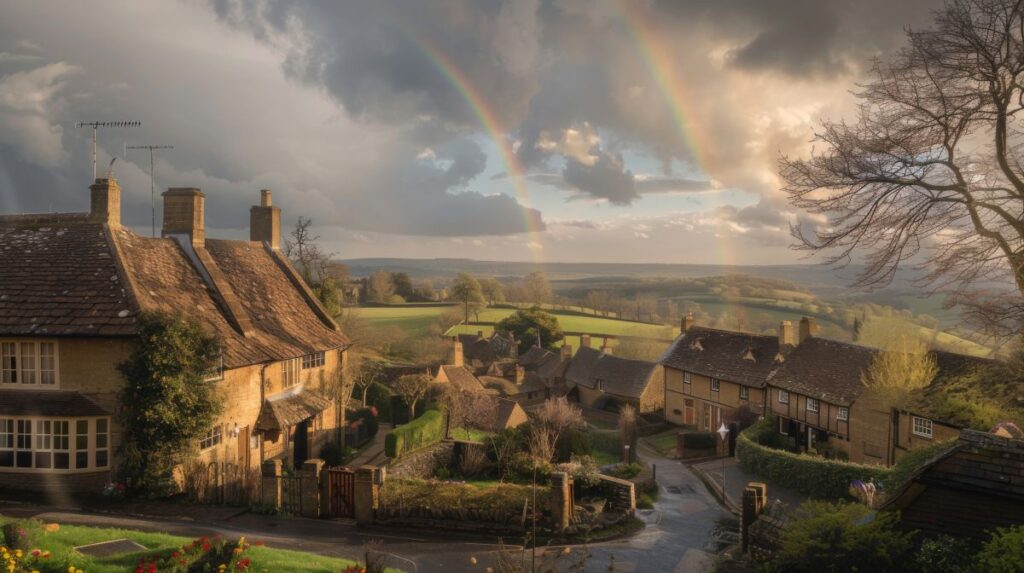
The north of England has a habit of being underestimated. Most international visitors do London, maybe the Cotswolds, perhaps Edinburgh, and fly home. The ones who make it to Yorkshire and the North East tend to come back. This tour, put together by Leiandhim, is built around a specific kind of travel - slow, immersive, the kind where you’re not ticking landmarks off a list but actually stepping into places. Ruined abbeys, smugglers’ villages, a garden where every plant can kill you. The north delivers.
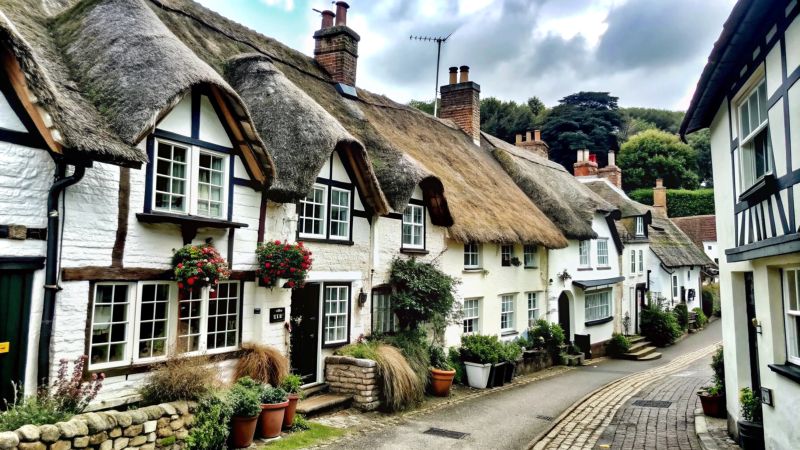
Haworth is the starting point and it earns its reputation. The cobblestone main street climbing the hill, the moors pressing in from every direction, the Brontë Parsonage at the top where Charlotte, Emily and Anne wrote Wuthering Heights, Jane Eyre and The Tenant of Wildfell Hall in the same house, in the same period, with barely any literary precedent for what they were doing. The museum is intimate in the way that biographical museums rarely are - you can see the actual dining table where they wrote, the rooms they lived in, the view from the window. The village around it has independent bookshops, apothecary-style shops and a Gothic atmosphere that owes something to the novels and gives something back.
Robin Hood’s Bay is the coastal counterpart - a village where the road ends at the top of the hill and you descend on foot through narrow stone alleys that open, eventually, onto the North Sea. It was one of the most active smuggling hubs on the Yorkshire coast in the 18th century, and the architecture reflects that history: low doors, hidden passages, cellars that connect to other cellars. The shops tucked into corners sell sea glass and local folklore books and things that feel like they’ve washed up from somewhere. Runswick Bay, further up the coast, is the quieter version — red-roofed cottages on a cliffside, a sandy beach good for fossil hunting, fishing boats on the water, and the kind of silence that coastal villages achieve when they haven’t been overrun.
Estates, Ruins and Eccentric Gardens
Chatsworth House in Derbyshire is one of the great British country houses - home to the Cavendish family for 16 generations, 105 acres of historic gardens including the Cascade fountain, and staterooms full of paintings and sculptures that would fill a small national museum. It served as Pemberley in the 2005 film adaptation of Pride and Prejudice, which is either a reason to visit or an incidental detail depending on your relationship with Jane Austen. Either way, the grounds alone justify the trip.
Fountains Abbey and Studley Royal is the UNESCO World Heritage site that most people mean when they say they want to see “proper English countryside.” The 12th-century Cistercian monastery ruins - towering stone arches, roofless naves, the whole romantic apparatus of dissolution and decay - sit at the end of an 18th-century water garden of mirror ponds, classical statues and hidden follies. The combination of designed landscape and genuine ruin is one of the most beautiful things in northern England. Nunnington Hall, on the banks of the River Rye, is the smaller, quieter alternative - a stone manor house with a collection of miniature rooms, peacocks in the walled garden, and orchards you can walk through. Less visited than it deserves to be.
The Forbidden Corner in the Yorkshire Dales is genuinely eccentric in the best possible way: a four-acre labyrinth of tunnels, chambers, giant statues, underground passages and water traps built inside what is otherwise a private walled garden. There is no logical route through it. Unexpected things happen. It was built in the 1980s and has been confusing and delighting visitors ever since. Beamish Open Air Museum is the immersive history stop - an entire living museum spread across open countryside, with a preserved 1820s village, a 1900s town, a 1940s farm and a 1950s suburb all operating simultaneously, staffed by costumed interpreters, with working trams, a colliery, a bakery, a pub and a sweet shop. You can spend a full day here and not see everything. Preston Park on the Tees does something similar at a smaller scale, with a Victorian street of recreated shopfronts and a walled kitchen garden - a quieter, more intimate version of the same impulse to make history something you can walk into.
The Alnwick Garden in Northumberland is the tour’s final surprise. The Grand Cascade - a choreographed water feature with fountains that activate every half hour - is the first thing you see, and it’s impressive enough. Then there’s the Poison Garden: a locked, black iron-gated enclosure where every single plant is toxic, dangerous or potentially fatal, accessible only with a guide. Belladonna, hemlock, giant hogweed, cannabis, opium poppies - the garden was created by the Duchess of Northumberland specifically because, as she put it, people find poison more interesting than flowers. She was right. The treehouse restaurant at the end of the day, one of the largest wooden treehouses in the world and covered in fairy lights, is the right way to come down from it all. Northern England was featured on Tourizzy by Silvia and Ethan, travel blogers from the North East of England and Italy