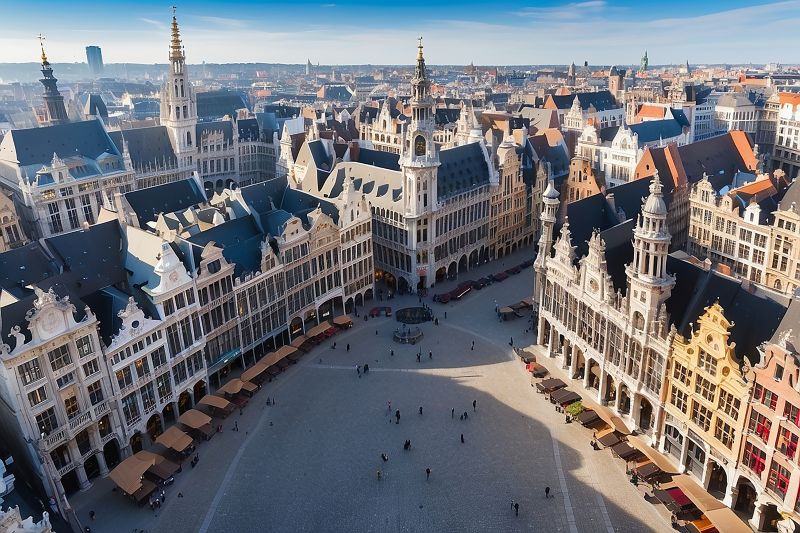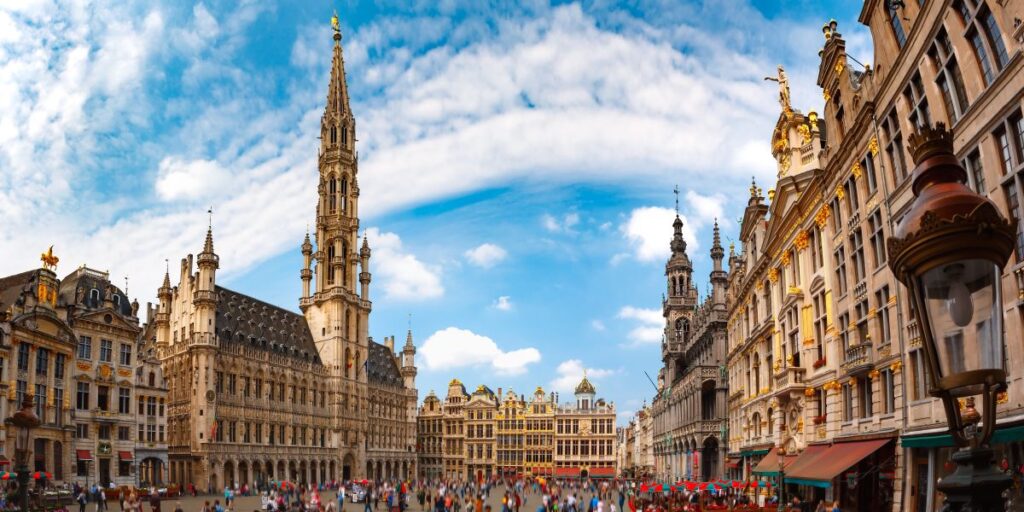
Brussels is one of the most diverse cities in the world, the unofficial capital of Europe, a place where more than 180 nationalities share the same streets and the same frites. Katlijne Van Husel lives in Belgium, she loves to travel and write, but her city is probably her favourite place in the world. This tour isn’t about anything you hear on the news. It’s about the older Brussels - the squares and side streets and brown cafés where people have been gathering for centuries, long before anyone put a flag on anything. The Brussels that existed before the EU headquarters, before the international schools, before the city became a symbol of something larger than itself. Come back through the ages with the local who knows this city the best.
It starts at Place du Jeu de Balle, which is the right place to start anything in this city if you want to understand it. The square sits in the heart of the Marolles district, the oldest and most working-class neighbourhood in Brussels, and it has been holding a daily flea market since 1873. The history behind that date is very Brussels: the city decided that its second- hand traders and ragpickers didn’t fit the polished look of the new central boulevards it was building, so it moved the whole market down here, out of sight of the respectable classes. The traders set up, the neighbourhood absorbed them, and 150 years later the market is still here every morning at dawn - dealers arriving in vans before anyone else is awake, spreading out carpets and laying out everything from Art Deco furniture to things that defy categorisation. Tintin famously bought the model of the Unicorn boat here. The best pieces are sold to professional dealers long before the tourists arrive, which is a lesson in how these things work.
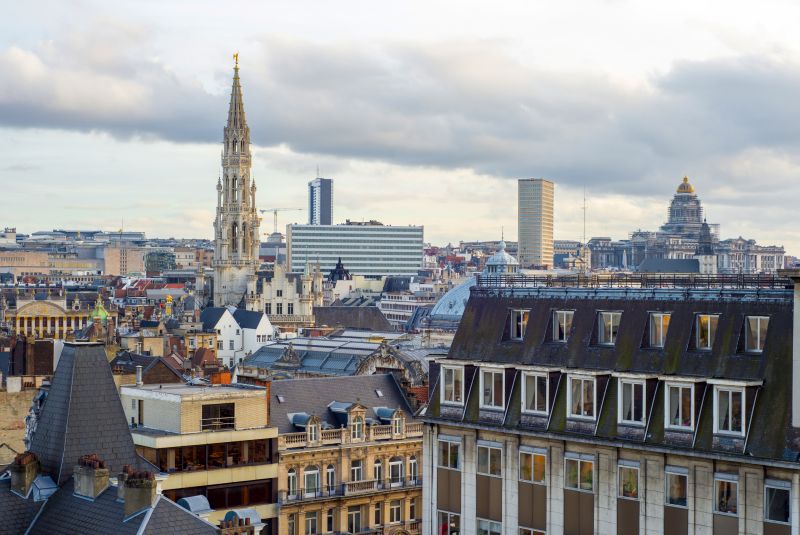
The Ascenseur des Marolles is a free public lift connecting the lower working-class town to the upper city, installed because the hill between them is steep enough that without it, people would simply be divided by geography. It’s a small detail that says a lot about how Brussels thinks about itself, when it’s thinking clearly. The Palace of Justice looms above the neighbourhood from the top of that hill, one of the largest buildings constructed anywhere in the 19th century - a monument to Belgian legal power that was built, in significant part, by demolishing a large section of the Marolles to make room for it. The locals have never quite forgiven this. There’s a Brussels dialect word - sacrée, which roughly translates as “cursed” - that the Marolles residents gave to the architect who designed it. The word stuck. This dynamic, between the power on the hill and the neighbourhood below it, is one of the defining tensions of Brussels’ character. The Marolles itself is the neighbourhood you walk through without a map. Antique shops and vintage boutiques line Rue Blaes and Rue Haute. Comic strip murals appear on corner buildings. Cafés that have been serving the same clientele for decades sit alongside newer bars that have absorbed the neighbourhood’s bohemian energy. It is one of the few parts of Brussels that still feels genuinely resistant to becoming something else. Rue de Rollebeek is one of its prettiest streets - narrow, cobbled, climbing gently up towards the Sablon - and worth walking slowly.
Food, drinks and little pleasures that makes this city Katlijine’s favourite
La Fleur en Papier Doré deserves more than a quick drink. This small café on Rue des Alexiens was once known as the Café des Artistes because it was where René Magritte came to drink, where the Surrealists argued about art and politics, where the CoBrA movement gathered in the years after the Second World War. The walls are still covered in their scrawled dedications, their sketches, their poems written on paper napkins and pinned up and never taken down. It is a functioning café that also happens to be an accidental archive of Belgian cultural history, and it is one of those places that reminds you how much of what matters happens in rooms like this, with a beer on the table and a conversation going late.
Les Brasseurs is the brasserie stop - solid Belgian cooking, good beer, the kind of place that does the classics without making a performance of it. Then the Bourse, which is the old stock exchange building, a grand 19th-century neoclassical structure that stood largely empty for years after the financial markets moved on, and is now a cathedral to Belgian beer. Hundreds of bottles line the walls. The building itself is worth walking into even if you’re not thirsty, just to see what Brussels does with a space when it decides to repurpose it.
Fritkot Chouke is mandatory. Belgian frites - double-fried, crisp, properly seasoned - eaten standing up from a paper cone with sauce of your choice. This is not street food as a trend. This is a centuries-old practice and a source of genuine national pride, and doing it properly from a friterie rather than a tourist restaurant is the difference between eating in Brussels and eating like you’re in Brussels.
The tour ends at In ’t Spinnekopke, which has been serving Belgian food and local beers in a building that dates to 1762. The name means “In the Spider’s Web” in old Brussels dialect. It is one of the oldest traditional estaminets in the city - the estaminet being the specific Belgian/Flemish tradition of the neighbourhood pub, a place for eating, drinking, playing cards and talking, open to everyone, belonging to the neighbourhood. In ’t Spinnekopke has been doing this for over 260 years. It has seen empires rise and fall and boulevards get built and markets get moved and languages come and go. It is in absolutely no hurry. Brussels was featured on Tourizzy by a local guide Katlijine from Brussels.